Mirandus is one of Gala Games’ most ambitious projects, rendered in a minimalist low-poly style reminiscent of early PlayStation graphics. The world of Mirandus combines the atmosphere of classic Tolkien-esque fantasy with an economy built on blockchain technology.
The world and concept of the game
The action takes place in a vast fantasy universe where magic, craftsmanship, and trade intertwine with adventure. Players will explore an open world, gather resources, complete quests, and build their own economy, which is entirely owned by the community.
Mirandus is one of the few Gala Games titles developed by the company’s internal studio, while most other projects (such as Spider Tanks or Town Star) are created by third-party teams.
The developers include industry veterans who participated in the creation of Town Star and the classic RPG Arcanum. Brave is also a partner in the project, offering discounts when paying for NFTs with its cryptocurrency.
Development stage and availability
As of 2022, the game was in active development and being tested in a closed beta. The client is available for Windows and Mac. To join, you need to link your crypto wallet and purchase an NFT avatar — a character with unique characteristics and rarity.
Materium — the energy of the world of Mirandus
The main in-game resource is Materium.
It is used for:
- creating potions and artifacts;
- teleportation and healing;
- restoring energy when using magic.
The more Materium a character has, the greater their power. The resource exists in various forms — liquid, solid, and floating — and is obtained during travels and quests.
Materium can be exchanged between players and sold as NFTs. Owners of special NFTs get the opportunity to obtain more resources and even earn passive income.
Heroes and races
Each player chooses an NFT avatar (Instance) — a unique hero belonging to one of the races:
- Elves (ancient rarity) — possess magical abilities and bonuses to spells.
- Halflings (legendary) — agile and stealthy, ideal for crafting and covert actions.
- Orcs (epic) — strong fighters with increased endurance.
- Dwarves (epic) — masters of ore and blacksmithing.
- Humans (rare) — versatile craftsmen and traders.
Each race has subtypes with unique abilities — from the ability to see in the dark to bonuses in alchemy, crafting, or navigation.
Land and buildings
Players can purchase NFT deeds — ownership rights to plots of land and buildings. There are 1,625 plots in total, which limits the market and regulates the economy.
Types of properties:
- Citadels (Ancient) — majestic cities with unique powers (Earth, Moon, Stars, Sun, and Wind).
- Legendary estates — properties of princes and dukes.
- Epic estates — properties of barons and counts.
- All buildings belong to the players: they set the prices and regulate the economy. Among the buildings are shops, smithies, taverns, temples, storerooms, and stables.
Ships and docks
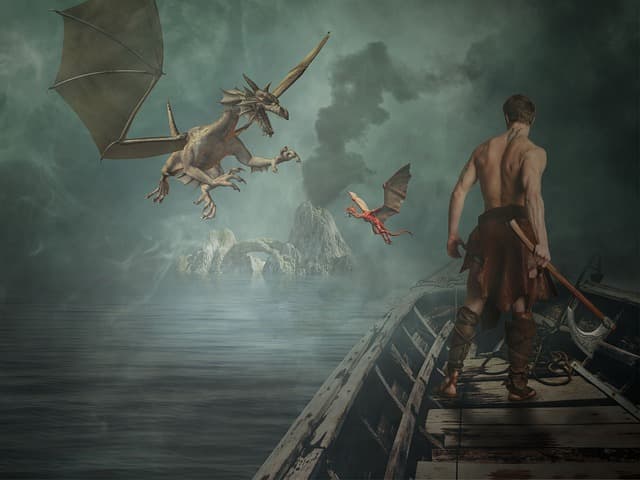
Sea travel is an important part of the world of Mirandus.
There are ships of varying rarity:
- Legendary — Caravels,
- Epic — Carracks,
- Rare and unusual — Barges, Kraers, Picars.
NFT docks (docks, piers, marinas) are used for mooring.
In the future, the developers plan to add naval battles, but for now, ships serve as transportation.
NFT, economy, and earnings
All in-game objects are NFTs on the Ethereum blockchain. They can be purchased through the official Gala Games marketplace or on OpenSea.
The economy is based on the GALA token (ERC-20). To withdraw funds, you need a wallet that supports Ethereum, such as MetaMask. Profit is credited to the player’s account after selling NFTs or providing services in the game (for example, paid entry to a tavern).
Earning prospects
Mirandus is still in development, but it is already clear that:
- owners of rare land and buildings will be able to earn income from other players;
- Materium mining will become a key source of income;
- investments in rare heroes and infrastructure may increase in value on the secondary market.
Passive income is possible if a player owns a popular location, such as a tavern or temple. However, the main focus is on active participation in the game world and the development of one’s own economy.
Conclusion
Mirandus is not just an RPG, but an entire metaverse with a user-driven economy where everything from taverns to cities can belong to the player. The project combines nostalgia for classic fantasy with the new era of Web3 gaming, offering one of the most profound approaches to digital asset ownership.